
Research
HÂþ»â€™s new Killam Memorial Chairs push boundaries in health, humanities, and agriculture

Four HÂþ» researchers are set to embark on the next chapter of their scholarly careers with strong momentum behind them as Killam Memorial Chairs. Read more.
Featured News

Wednesday, June 24, 2026
Led by HÂþ», BioLabs East will build a GMP — Good Manufacturing Practice — facility in Nova Scotia, producing vaccines and cell therapies for clinical trials while strengthening Canada’s biomanufacturing capacity and innovation ecosystem.
Thursday, June 25, 2026
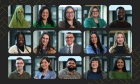
A reimagined OpenThink cohort moves beyond blogging, testing podcasts and social media to broaden impact, connect with new audiences, and amplify how Dal research informs public dialogue and policy.
Thursday, June 18, 2026
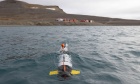
HÂþ» robotics and underwater acoustics researcher Dr. Mae Seto is working with Defence Research & Development Canada to develop intelligent autonomous sensing systems that can extend the reach of the Canadian Armed Forces in the Arctic and help Canada protect its sovereignty in remote, harsh maritime environments.
Archives - Research
Thursday, October 10, 2024
The 2025 Maclean's University Rankings are out now. Find out more about how Dal performed in Canada's most-watched university rankings.
Thursday, October 10, 2024
This week on Sciographies, get to know Saurabh Chitnis, a synthetic chemist with an enthusiasm for discovery and exploring the mysteries of molecular chemistry.
Wednesday, October 9, 2024
HÂþ» rose two spots among Canadian universities that participated in the Times Higher Education's latest rankings, a boost in a year when the number of national peers grew to be bigger than ever.
Thursday, October 3, 2024
This week, on the season premiere of Sciographies, meet Dr. Aaron MacNeil, a marine biologist and professor. In this episode, Dr. MacNeil reflects on his journey from growing up in Wolfville, Nova Scotia, to becoming a leading researcher in fisheries ecology.Â
Tuesday, October 1, 2024
Sciographies, a popular podcast and radio show, invites listeners to explore the lives, research, and motivations of some of HÂþ»â€™s most fascinating scientists returns for a brand-new season.