
Research
HÂþ»â€™s new Killam Memorial Chairs push boundaries in health, humanities, and agriculture

Four HÂþ» researchers are set to embark on the next chapter of their scholarly careers with strong momentum behind them as Killam Memorial Chairs. Read more.
Featured News
Wednesday, June 24, 2026
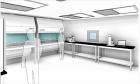
Led by HÂþ», BioLabs East will build a GMP — Good Manufacturing Practice — facility in Nova Scotia, producing vaccines and cell therapies for clinical trials while strengthening Canada’s biomanufacturing capacity and innovation ecosystem.
Thursday, June 25, 2026
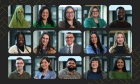
A reimagined OpenThink cohort moves beyond blogging, testing podcasts and social media to broaden impact, connect with new audiences, and amplify how Dal research informs public dialogue and policy.
Thursday, June 18, 2026
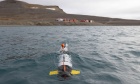
HÂþ» robotics and underwater acoustics researcher Dr. Mae Seto is working with Defence Research & Development Canada to develop intelligent autonomous sensing systems that can extend the reach of the Canadian Armed Forces in the Arctic and help Canada protect its sovereignty in remote, harsh maritime environments.
Archives - Research
Tuesday, March 4, 2025
See photos from a recent ceremony where HÂþ» researchers, administrators, and alumni were honoured with King Charles III Coronation Medals.
Friday, February 28, 2025
The team behind a new startup working to provide a solution for the removal of carbon dioxide from rivers and oceans earned a top prize at an innovation competition in Norway this week.
Wednesday, February 26, 2025
McCain Foods and Potatoes New Brunswick renew HÂþ»â€™s prestigious McCain Research Chair, extending their commitment to food security.
Tuesday, February 25, 2025
In her public lecture this week, Dr. Eva Mroczek, the Simon and Riva Spatz Chair in Jewish Studies at HÂþ», traced the winding history of authenticity and forgery in how we discover, study, and talk about biblical texts.
Wednesday, February 19, 2025
Justine Ammendolia, Olivia Andres and Victoria Crozier share their experience following two field seasons on Nova Scotia's remote Sable Island, completing surveys and lab work on the island’s feral horses.