News
» Go to news mainWeaving Together Law and Land

A new course createdÌýÌýby Schulich LawÌýAssistant Professor Cheryl Simon is giving studentsÌýan opportunity toÌýexploreÌýIndigenous law through hands-on engagement with Indigenous material culture.Ìý
Simon is anÌýÌýfrom Epekwitk (Prince Edward Island)Ìýwho has practiced porcupine quillwork forÌýnearly twoÌýdecades. Her course, LAWS 2385 – Indigenous Law via Material Culture, was intentionally designed to immerse students in Indigenous legal principles through lived,Ìýexperiential learning.Ìý
“I wanted to showÌýstudentsÌýhow our laws work in relation to land and the materials we harvest,â€� she explains. “And while it’s not the firstÌýtimeÌýI’ve incorporated quillwork in a course I’ve taught, it is the first time a course hasÌýcentredÌýon teaching Indigenous law through an art form like porcupine quillwork.â€�
At the heart of the course is a focus on building meaningful relationships with the natural world. Students engageÌýin this work through several interconnected activities that emphasizeÌýreflection, responsibility, and reciprocity.
As part of the course, eachÌýof the 13ÌýstudentsÌýselectedÌýa tree to visit weeklyÌýand kept aÌýstewardship journal that documentedÌýtheir observations, deepening theirÌýunderstanding of both the course material and their relationship to the land.
With support fromÌýÌýin the Sir James Dunn Law LibraryÌý–Ìýa Mi’kmaw womanÌýfromÌýGlooscap First Nation in Nova ScotiaÌý–Ìýstudents workedÌýin small groups to research materials used in quillwork. TheyÌýsharedÌýtheir findings with the class, including Mi’kmaw terms and pronunciations, as well as stories connected to the materials, contributing to a collective learning experience rooted in knowledge sharing.
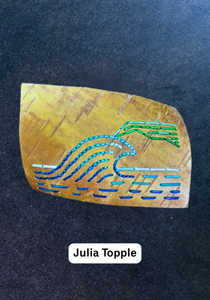
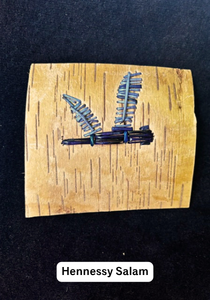
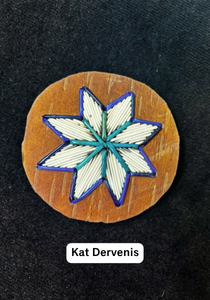
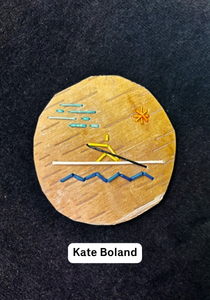
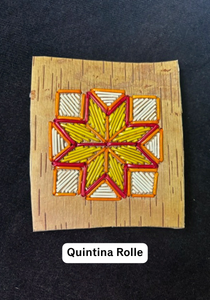
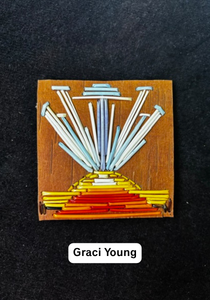
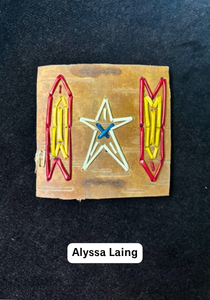
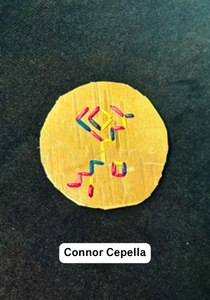
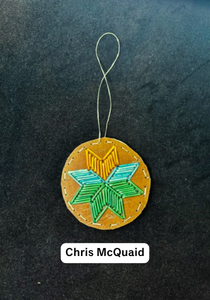
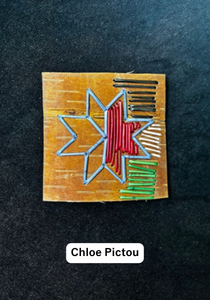
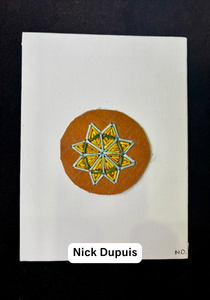
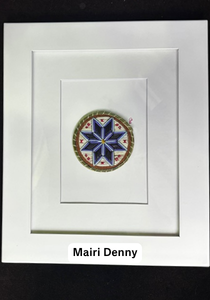
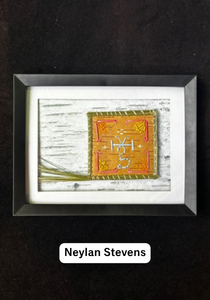
The course culminatedÌýin a final project in which each student designedÌýand createdÌýa quillwork piece that reflects the legal principles they have studied. After learning foundational techniques, including quill cleaning and insertion using an eight-pointed star design, students developedÌýtheir own original designs and presentedÌýtheir work to the class.
“Indigenous law is meant to be embodied in an individual and have an effect on subsequent decisions and actions,â€� says Simon. “I hope the students take away a stronger connection to the land and a better understanding of how Indigenous legal principles function.ÌýI amÌýextremely proud and excited for others to share in the quillwork that was created.â€�
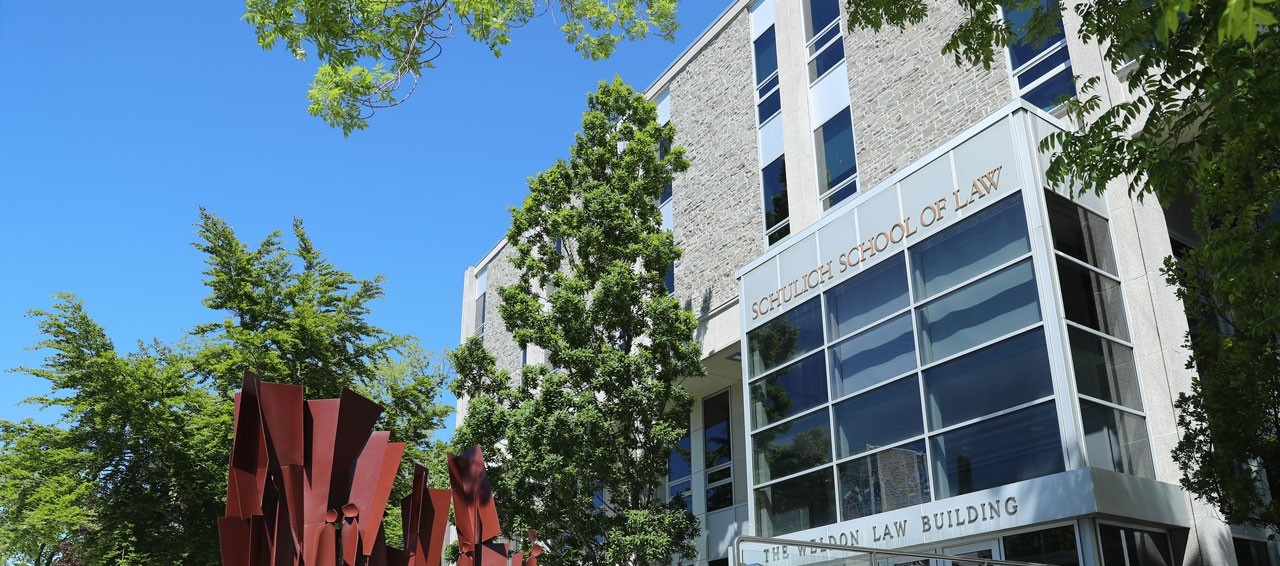
An exhibit of the students’ work isÌýon display in the atrium of the Weldon Law BuildingÌýuntil Friday, May 8.
 |
 |
 |
 |
 |
 |
 |
 |
 |
 |
 |
 Ìý Ìý |
 Ìý Ìý |
Ìý | Ìý |
Recent News
- From Ambition to Action
- Schulich Law’s Continued Commitment to Reconciliation
- HÂþ» Legal Aid Service Community Legal Worker Mark Culligan ft in "How Nova Scotia became Canada's most expensive province for average asking rents"
- Professor Rob Currie ft in "Opinion: Foreign police broke Canadian law — and it keeps happening"
- Professor Rob Currie ft in "Extradition of ex‑U of M law dean could hinge on French citizenship: HÂþ» professor"
- Professor Matthew Herder ft in "Congo rolls out Canadian‑developed vaccine to fight Ebola outbreak"
- Recent Grad Elizabeth Fleet Receives Justice Rosalie Silberman Abella Prize
- Assistant Professor Suzie Dunn ft in "Etiquette of location sharing: Who gets to keep tabs? Can you turn it off without explanation?"